Pune’s Next Leap
GCC Leaders and Government Building a Global Innovation Hub
Pune has built a strong position on the global GCC map. Its universities, engineering heritage, talent and entrepreneurial culture have all contributed to this journey. The Maharashtra government’s focus on infrastructure and investment has created a foundation we can build on.
As GCC leaders, I believe our role is to work with government to shape what comes next. We understand the needs of global businesses and can bring that perspective to the table. Government brings the ability to connect institutions and enable development at scale. Together, we can help Pune grow as a centre for innovation, research and global leadership.
A dedicated partnership for Pune
Pune has an interesting position among India’s leading GCC destinations. Bengaluru, Hyderabad, Chennai and Mumbai are state capitals, while NCR benefits from its proximity to the national government. Pune has built its position without that same administrative proximity.
This creates an opportunity for a dedicated government team for Pune, working closely with GCC leadership. Such a team could bring continuity to discussions on infrastructure, talent, investment and the city’s future requirements.
Our responsibility as industry leaders would be to make this partnership useful. We should bring clear priorities, supporting information and a willingness to participate in solutions. A shared agenda, with regular reviews and ownership on both sides, could help us make steady progress. We have an opportunity to build on the government’s existing efforts with greater focus on Pune.
At The Alt HQ, I would like us to contribute to this collaboration by connecting GCC leaders, academic institutions and founders.
Building a research culture around our universities
Pune’s academic ecosystem is one of its biggest strengths. We have universities, research institutions and students across disciplines. GCCs already benefit from this ecosystem through recruitment. I believe we can build a much deeper relationship.
Some of the world’s largest technology companies started in university environments. Google grew out of research at Stanford, and Facebook began among students at Harvard. These are different stories, but both show the possibilities that emerge when young people have the environment, encouragement and freedom to build something new. Google also demonstrates how research can become the foundation of a global company.
Pune has the potential to create more of these opportunities. Our universities bring knowledge and curiosity. GCCs bring access to global problems, technical expertise and business understanding. Startups bring speed and the willingness to experiment. Government can help bring these groups together around a long-term agenda.
We should jointly support research programmes, faculty engagement, doctoral work and student projects that address meaningful problems. GCC leaders can contribute funding, mentors and opportunities to test ideas. Together with government and academia, we can build the support that allows promising research to develop into products and companies.
This will require patience. Research will not always produce results within a business quarter. We must be willing to support ideas whose value takes time to emerge.
At The Alt HQ, I would like us to contribute to this collaboration by connecting GCC leaders, academic institutions and founders. The opportunity is to build Pune’s next startup wave through research and, in the process, make our GCC ecosystem even stronger.
Connecting the Maharashtra that powers Pune
Pune’s talent comes from across Maharashtra. Nashik, Kolhapur, Solapur, Nagpur and many other cities and towns contribute people who build their careers here while retaining close connections with their hometowns.
We should see connectivity with these places as part of Pune’s growth agenda. Projects like Samruddhi Mahamarg show the ambition Maharashtra brings to infrastructure. GCC leadership can work with government to bring a talent perspective into future connectivity discussions.
We can contribute insights into where our people come from, how they travel and which connections would make the greatest difference. Better road, rail and bus services would help professionals maintain family connections and make opportunities in Pune more accessible.
Alongside transport, we should extend internships, mentoring and university partnerships across the state. Pune’s growth can create opportunities well beyond the city.
Strengthening international connectivity
As GCCs in Pune take on larger global responsibilities, international connectivity becomes more important. Leadership teams, customers and specialists need to travel easily, and our people need access to the markets they serve.
The GCC community can bring together its travel requirements and work with government, airport stakeholders and airlines to build a stronger case for more direct international connections.
This is an area where collective participation can make a difference. A clear picture of sustained business demand can support discussions on routes, airport capacity and ground access. Better connectivity would help Pune attract and deliver more global mandates.
Building a city where people choose to stay, and return
People choose a city for the life it offers their families. Schools, healthcare, housing, public spaces, arts, restaurants and nightlife all matter. Pune has a strong cultural identity, and we can build on it to create an even more vibrant and welcoming environment.
There is an opportunity to reconnect with professionals from Pune and Maharashtra who moved overseas, including during the technology boom of the late 1990s. Many have since built substantial careers and bring valuable leadership experience, specialist knowledge and global networks.
Government and Pune’s GCC community can jointly create opportunities for them to participate in the city’s future. They could invest in startups, mentor founders, collaborate with universities or explore leadership roles here.
We could build a network that connects these professionals with opportunities. Participation can start with a mentoring conversation, a research partnership or an investment. Over time, some may choose to return.
For those considering that move, GCC leaders can create meaningful roles with global responsibility. Industry and government can work together to make Pune an attractive choice for their families. Returning home should feel like an exciting next step in their careers.
Building Pune’s next chapter together
Pune’s next chapter will be shaped by how well we work together. Government, GCCs, universities and startups each bring something important. Our opportunity is to connect these strengths and stay committed beyond individual projects.
As GCC leaders, we should bring our time, experience and relationships to this effort. Together, we can build a Pune that develops talent, creates companies, welcomes returning leaders and contributes more to Maharashtra’s growth.
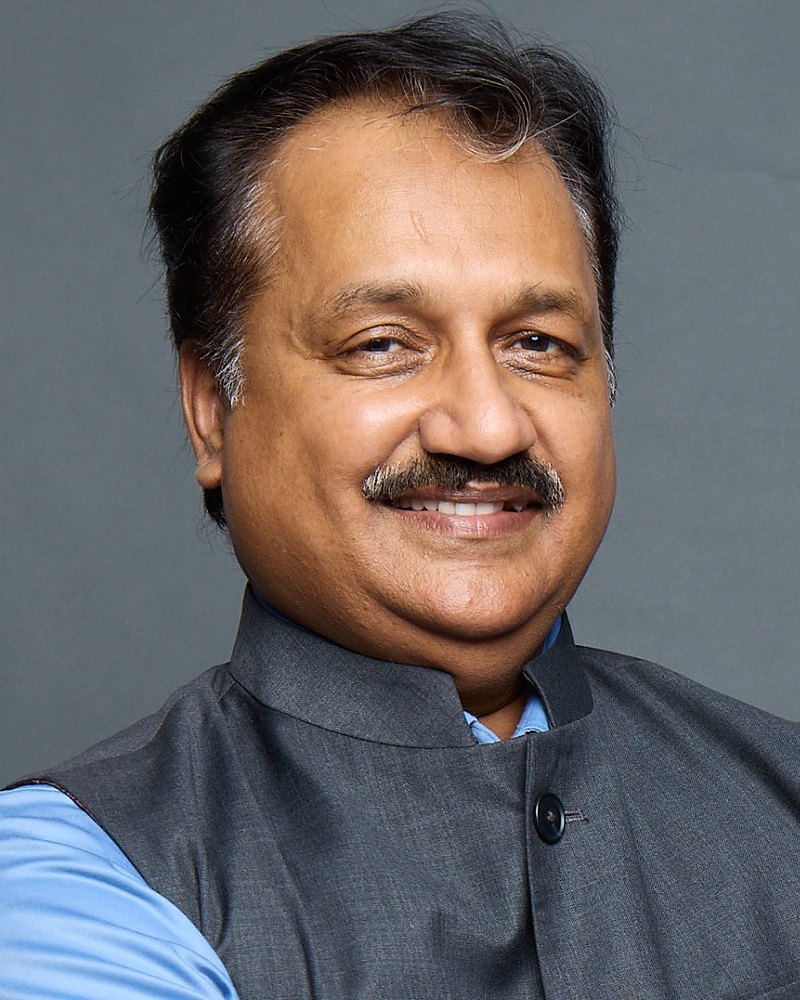
Managing Director of Pattern India and co-author of The ALT HQ. He built Pattern’s GCC from scratch to a team of almost 1,000.
Follow on LinkedIn →